

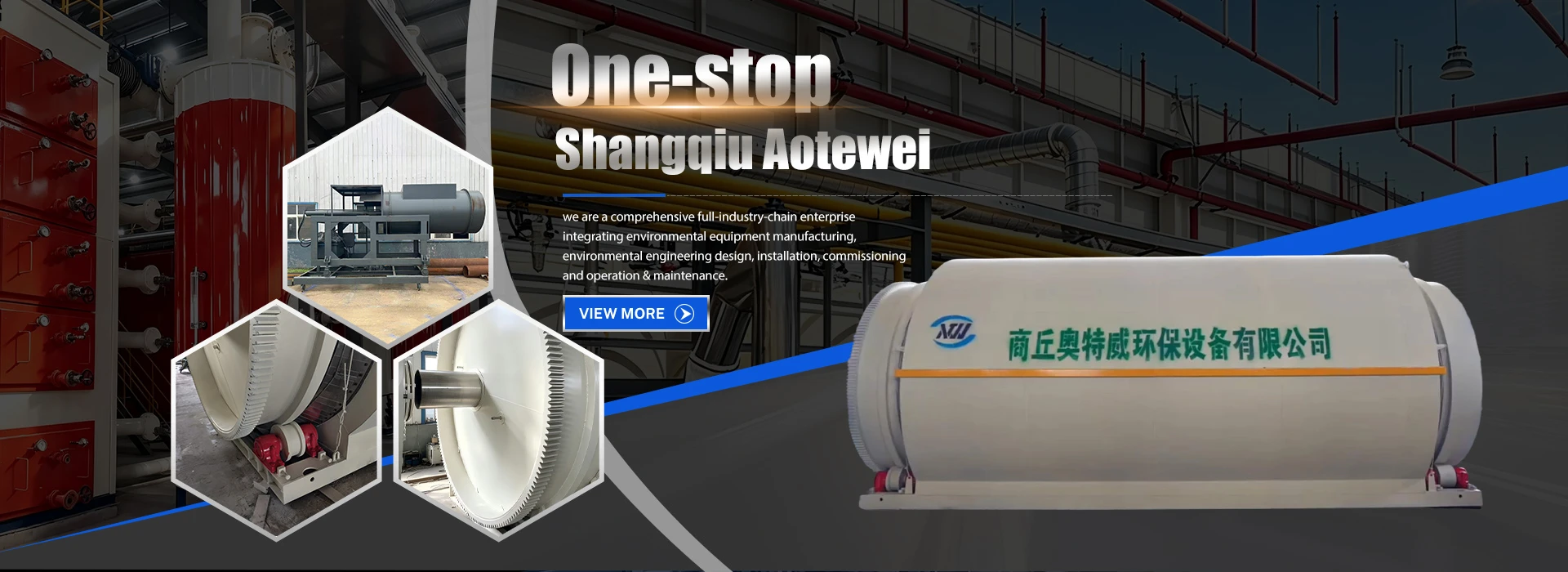
Based on operational methods, waste plastic oil-refining equipment is primarily categorized into continuous and batch types. Continuous equipment is characterized by continuous feeding and discharging, with the entire production line operating without interruption. Because production is continuous, there is no need for frequent shutdowns, opening and closing of vessels, or cooling and reheating cycles; consequently, these systems offer high processing capacity, safety, energy efficiency, environmental friendliness, and a long service life. Depending on the level of automation, they can be classified as fully automatic or semi-continuous. Fully automatic systems feature high automation and ease of operation. In terms of structural design, horizontal configurations are common.
Vessel-type (or kettle-type) systems are a common form of waste plastic oil-refining equipment, consisting mainly of a large tank into which waste plastic is loaded. This method suffers from poor heat distribution and a risk of the vessel bottom burning through, posing safety concerns; however, the equipment is simple, inexpensive, and easy to operate. Both vertical and horizontal vessels fall into this category.
Rotary furnaces are also utilized, including standard rotary furnaces and rotary kilns. While rotary furnaces offer excellent heat distribution, they have limited loading capacity and lower production output.