
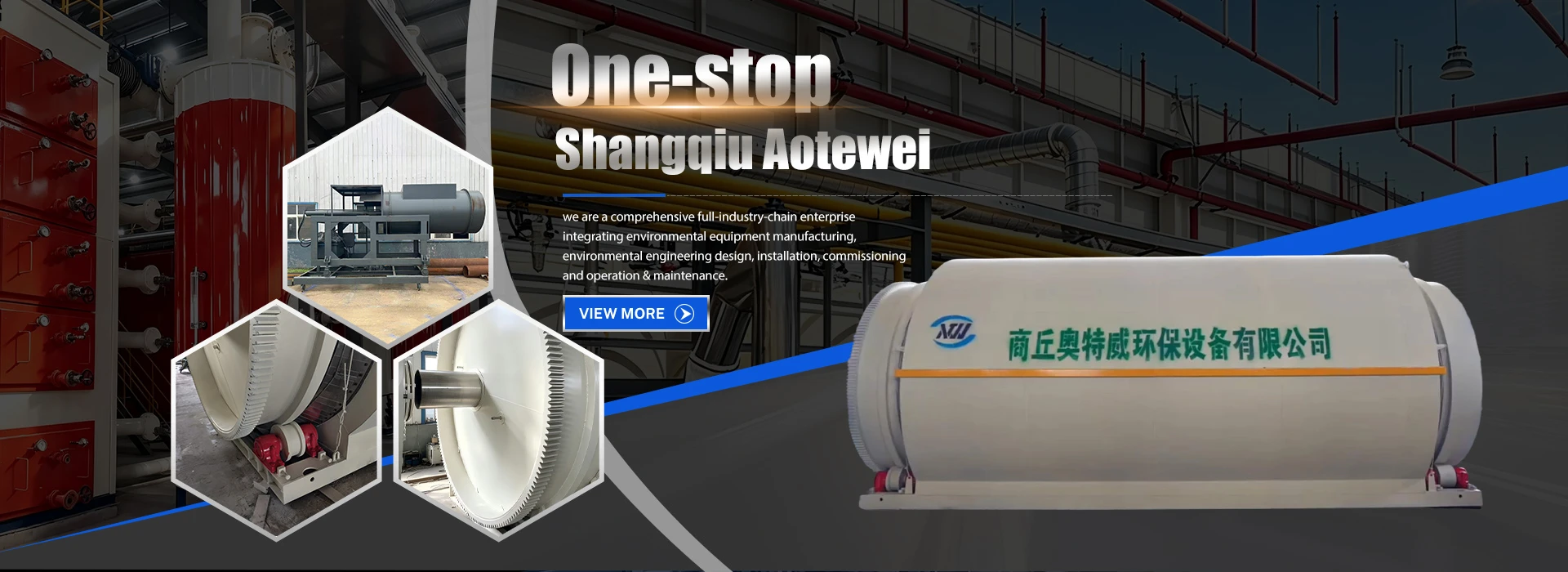
Shangqiu Aotewei Environmental Protection Equipment Co., Ltd. is one of the leading manufacturers and suppliers of continuous oil sludge pyrolysis plant in China. We are committed to providing high quality customized products with competitive price. If you're going to buy ISO certified continuous oil sludge pyrolysis plant, welcome to get quotation from our factory.
Products Description
Continuous Oil Sludge Pyrolysis Plant
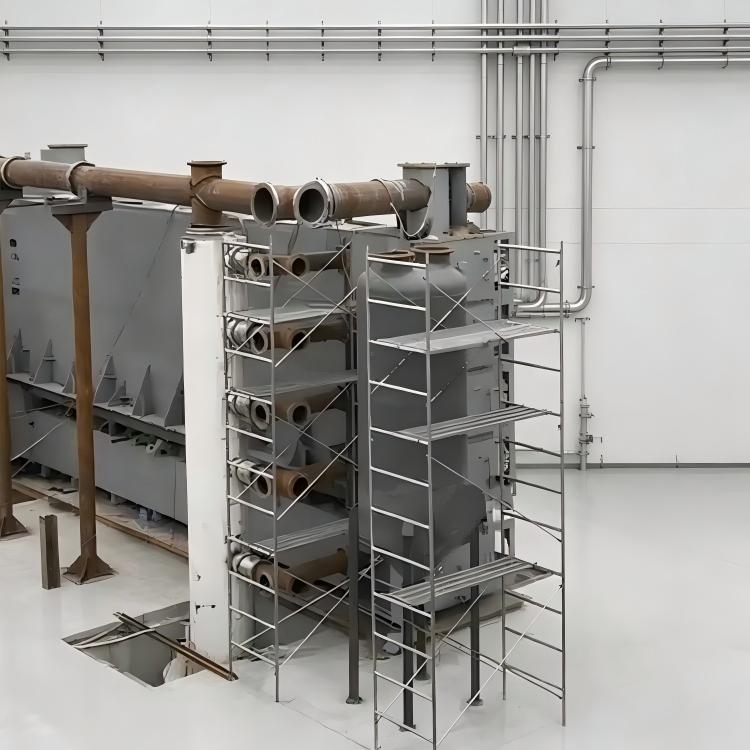
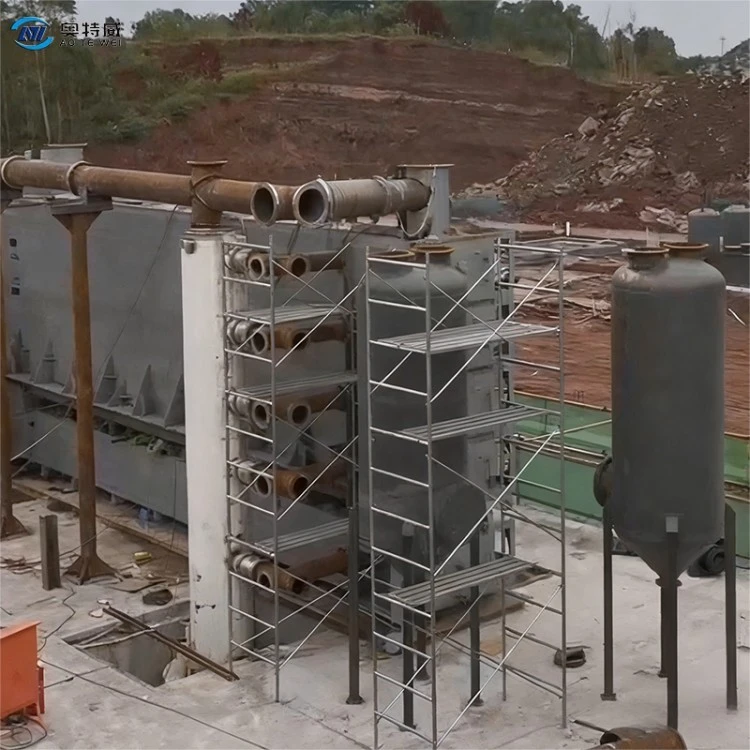
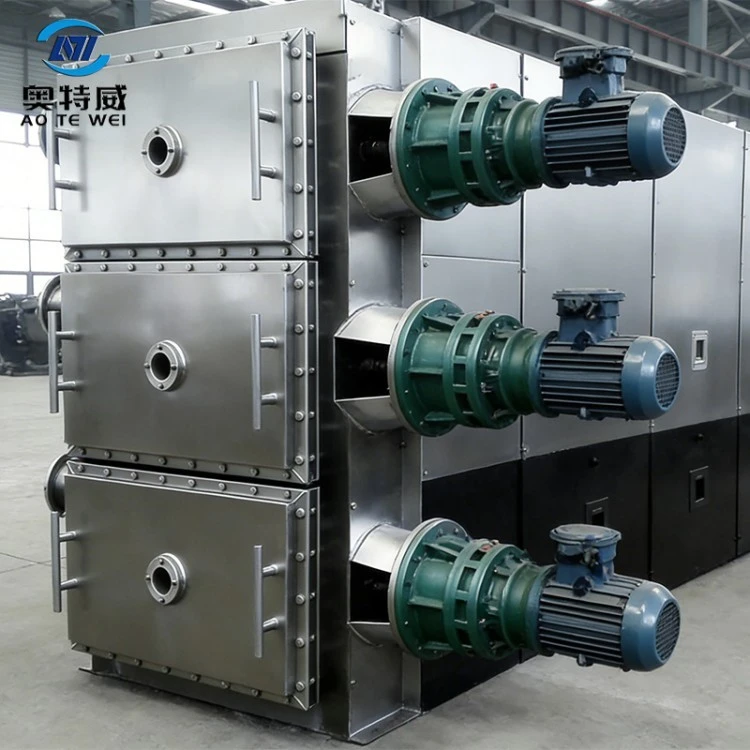
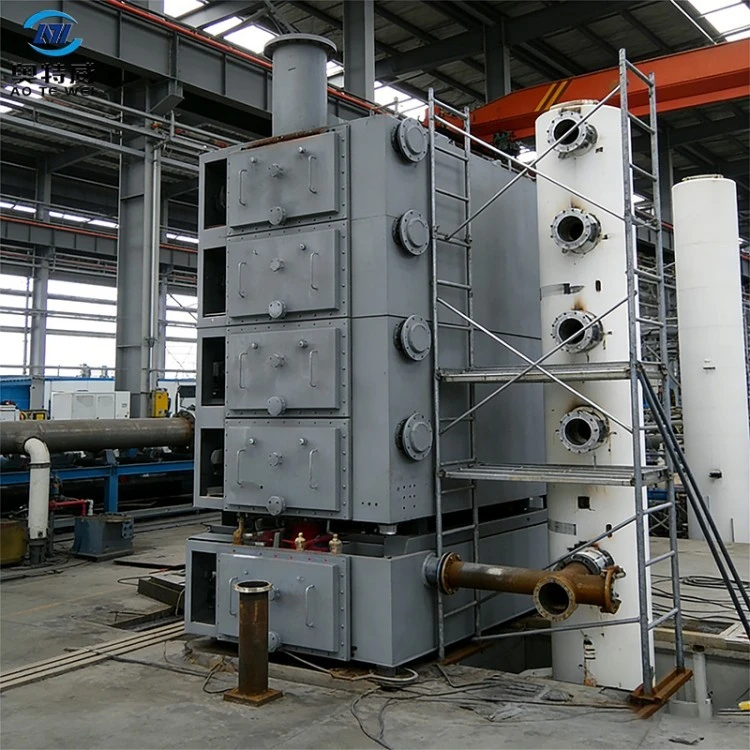
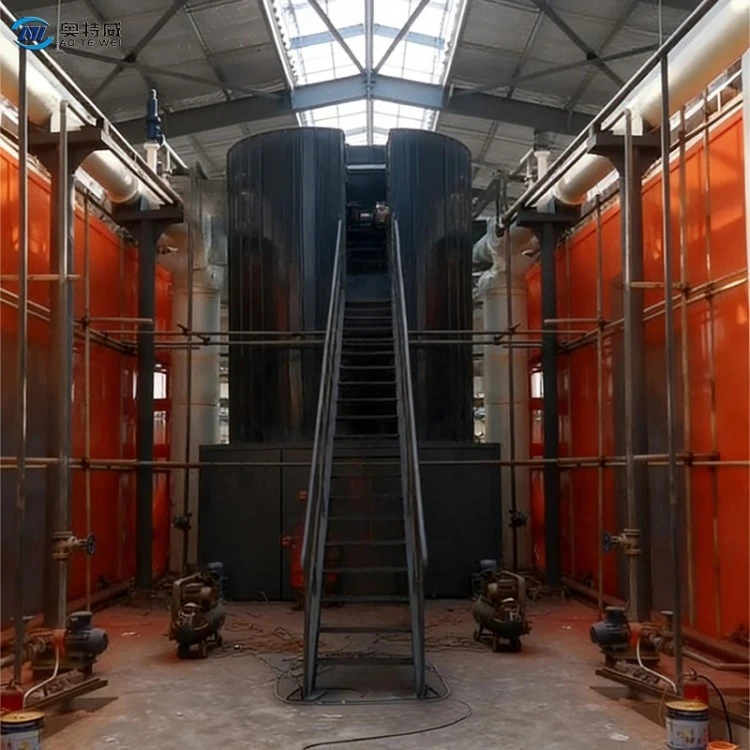
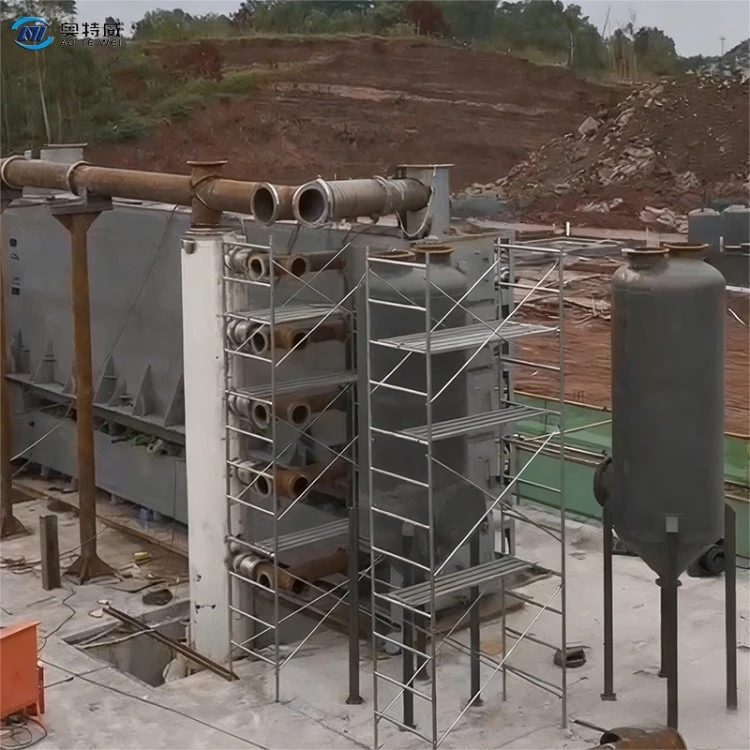
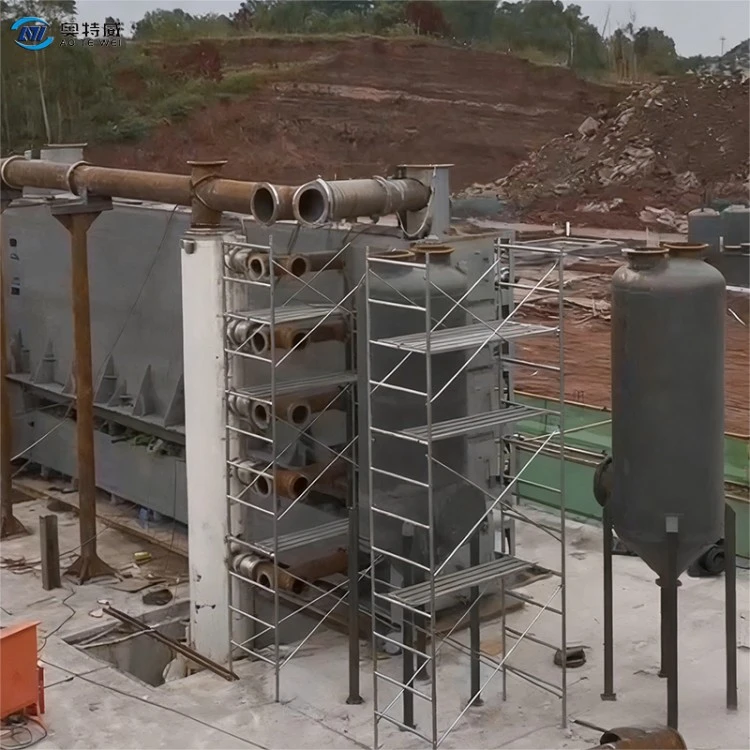
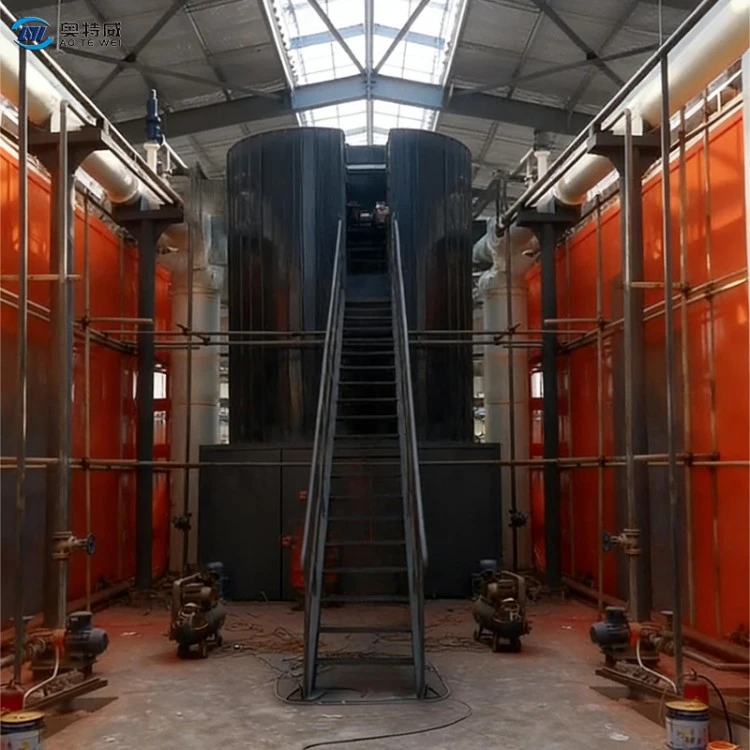
This Continuous Oil Sludge Pyrolysis Plant is an industrial continuous-processing complete-set equipment specially developed for oily sludge. It is suitable for conditioned and pre-treated oil-field sludge, tank bottom sludge and refinery sludge, with a daily processing capacity of 30-40 tons. Under sealed micro-oxygen conditions, the whole equipment realizes 24-hour non-stop feeding, pyrolysis oil recovery and solid residue discharging. It recovers pyrolysis oil and combustible gas and produces harmless solid residues. Targeted structural improvements are made for oil sludge's material characteristics of high moisture, high ash content and easy scaling and blocking. It serves hazardous-waste reduction and resource-recovery projects in the oil-gas industry and realizes industrial continuous harmless treatment of oil sludge.
| Continuous cracking equipment - key parameters | |
| Property name | Attribute content |
| Equipment capacity | 10~20 t/d,30~40 t/d,20~30 t/d,40~50 t/d,100 TPD |
| Mechanical test report | provided |
| Temperature range(°C) | 450~500 °C,500~540 °C |
| Processing technology | continuous process |
| Residence time | 60~80 min,40~60 min |
| Core selling point | high security level |
| Core components | Pressure vessels, pumps |
| Factory video inspection | provided |
| Warranty period | 1 year |
| Country of origin | Henan, China |
| Brand name | Otway |
| Raw materials | Cracking equipment |
| Raw materials | Waste tires, rubber, plastics |
| Final product | Tire plastic rubber cracking plant |
| Application areas | Converting waste plastic tires |
| Function | Tire plastic rubber cracking plant |
| After-sales service | Online support |
| Advantages | High efficiency |
| Machine type | Fully continuous |
| Marketing type | Product |
| Use | Domestic waste recycling machinery |
Features
Anti-melting-coking sealed lock-feeding system:
Anti-blocking sealed screw feeding unit: Adapted to high-viscosity oily-sludge materials. It adopts jacket-heated screw feeding structure together with multi-stage air-locking sealing mechanism to mitigate sticking and blocking of oily sludge, isolate ambient air and ensure stable delivery of viscous oily sludge into the reaction chamber.
Multi-section indirect-heating pyrolysis reaction chamber:
Divided into drying-dehydration zone, pyrolysis oil-extraction zone and residue-calcination zone with independent temperature control for each section. It removes moisture inside oil sludge first, then cracks and recovers hydrocarbon-based oil products, and finally calcines solid residues, avoiding oil-gas condensation and coking failures caused by moisture.
Sealed water-cooled residue discharging system:
Inorganic residues after pyrolysis are discharged under sealed negative-pressure conditions and indirectly cooled by water cooling. Residues are isolated from oxygen throughout the whole process to prevent re-ignition of high-temperature residues upon contact with air. Discharge is performed only after residues are fully cooled.
Integrated DCS intelligent monitoring system:
Real-time collection and monitoring of feeding torque, furnace temperature of each section, furnace pressure and oil-gas output flow. It is equipped with interlock shutdown protection against torque overload, over-temperature and over-pressure, supporting local operation and remote status checking.
Integrated oil-gas condensation-separation & tail-gas-reuse module:
Oil-gas generated from pyrolysis goes through multi-stage condensation and separation for oil recovery. Combustible tail gas from pyrolysis is fed back to the furnace as main heat source. A supporting waste-gas purification unit treats post-combustion exhaust gas to meet emission standards for hazardous-waste projects.
Advantages
Custom-built for high-viscosity and high-ash working conditions of oil sludge:
Different from plastic and tyre pyrolysis equipment, it solves operational difficulties caused by oil-sludge wall-sticking, scaling and high moisture content. It reduces shutdown-cleaning frequency and is suitable for long-term stable continuous disposal of oil sludge.
Dehydration prior to pyrolysis for improved oil-recovery rate:
The front-end drying-dehydration section removes internal moisture of oil sludge in advance, preventing water vapor from entering the oil-gas system, lowering the load of condensation system and effectively improving crude-oil recovery efficiency.
Tail-gas circulating heating to cut fuel operating costs:
Combustible tail gas generated from oil-sludge pyrolysis is recycled to heat the furnace, greatly reducing consumption of external fuels such as natural gas and diesel oil and lowering operating expenses of hazardous-waste disposal projects.
Full-process negative-pressure sealed process with high safety & environmental-protection performance:
The whole system maintains slight negative pressure. Air-lock sealing is applied throughout feeding and residue discharging to minimize oil-gas leakage and volatile-vapor escape on-site, satisfying strict safety-environmental-protection audits for oil-gas hazardous-waste projects.
Harmless residue treatment complying with solid-waste discharge requirements: Solid residues after pyrolysis and calcination feature greatly reduced oil content. They can be disposed of in compliance with regulations directly, eliminating complicated subsequent residue-treatment procedures and simplifying downstream technological flows.
Application Scenarios
- On-site oil-sludge disposal projects for oil fields: Treat landing sludge and tank-bottom sludge at oil-gas production sites, recover crude oil on-site, realize oil-sludge volume reduction and cut hazardous-waste transportation volume.
- Sludge-treatment section for refineries: Refineries and petrochemical plants dispose of refinery tank-bottom sludge and oily waste sludge as supporting in-plant hazardous-waste disposal units.
- Oily-sludge treatment unit for hazardous-waste disposal centers: Comprehensive hazardous-waste centers receive and treat various industrial-mining oily sludge to realize oil-resource recovery and residue harmless treatment.
- Industrial-scale oil-sludge resource-recovery projects for mining areas: Large-scale oil-sludge disposal enterprises process externally-sourced oily-sludge materials in batches and sell recovered pyrolysis oil.
- Overseas solid-waste-treatment projects supporting oil-gas industry: Supporting hazardous-waste production lines for overseas oil fields and petrochemical plants to accomplish continuous resource-oriented and harmless treatment of oil sludge.
Packing & Shipping
Continuous Oil Sludge Pyrolysis Plant is large-scale complete-set industrial hazardous-waste-disposal equipment. It is split into multiple functional modules for bulk shipment in batches. The jacket-heated screw feeding module, multi-section indirect-heating pyrolysis main reactor, sealed water-cooled residue-discharge unit, DCS electric-control system, oil-gas condensation-separation module and tail-gas-purification-reuse module are transported separately.
Protective blind plates are installed on all flange interfaces and anti-rust grease is applied to thread positions. Precision instruments including DCS control cabinets, pressure transmitters and temperature sensors are packed in thickened waterproof wooden cases. Sealing components, anti-scaling wear-resistant liners, wearing spare parts and special tools are separately packed in classified wooden crates. All steel-structure parts are anti-corrosion-treated with anti-rust primer plus double-layer weather-resistant topcoat.
Standard modules fit into 40HQ containers; extra-large heavy-duty components are delivered by bulk carrier. Lead-time for standard configuration: 110 days upon receipt of advance payment; 140 days for customized high-capacity and deep-oil-purification versions. Trade terms including EXW, FOB and CIF are supported. Packing lists, equipment dimension-and-weight sheets, general-layout drawings, civil-construction construction drawings and process-flow diagrams can be provided to support overseas customers for customs clearance, plant-infrastructure construction and on-site module assembly & commissioning.
FAQ
Q1: What pre treatment requirements are there for incoming raw materials for Continuous Oil Sludge Pyrolysis Plant?
A: Raw materials shall be conditioned and de impurities to remove stones and large debris. Pre dehydration is recommended for high moisture oil sludge. Excessively high material viscosity will cause excessive feeding torque and affect continuous operation.
Q2: Compared with plastic and tyre pyrolysis, what are the key maintenance points for oil sludge pyrolysis?
A: Oil sludge has high ash content and tends to scale and stick to chambers. Priority should be given to monitoring feeding torque and temperature of each section. Chamber scaling shall be cleaned regularly. Feeding of materials with excessive viscosity or moisture is strictly prohibited.
Q3: How many operators are required for the whole production line?
A: Under DCS central control mode, 2 3 operators per shift are required for central control monitoring and on site inspection. Additional operators are needed for the oil sludge conditioning and pre treatment section.
Q4: Can solid residues generated from pyrolysis be discharged directly?
A: Residues treated by the complete process reach qualified oil content standards. They can be landfilled or comprehensively utilized in accordance with local regulations, subject to local hazardous waste standards.
Q5: Can oil sludge be pyrolyzed mixed with other materials?
A: Random mixed feeding is not recommended, as oil sludge differs greatly from plastics and tyres in ash content and viscosity. Material testing and customized equipment design must be carried out in advance if mixed processing is required.
Client References
Domestically, we have cooperated with multiple oil-gas-production enterprises, large-scale refineries and comprehensive hazardous-waste-disposal centers. Multiple industrial oil-sludge pyrolysis projects have been implemented. We are experienced in supplying full-set technical documents for EIA and safety assessment for oily-sludge hazardous-waste projects.
Overseas projects have been delivered to oil-gas producing regions including the Middle East, Central Asia and Africa. We serve investors in oil-field and petrochemical industries with multiple delivered turn-key oil-sludge-pyrolysis-plant cases. Real-site project photos are available. Subject to mutual negotiation, interested customers can be arranged for on-site visits to commissioned running projects.
Hot Tags: continuous oil sludge pyrolysis plant, China continuous oil sludge pyrolysis plant manufacturers, suppliers, factory


