
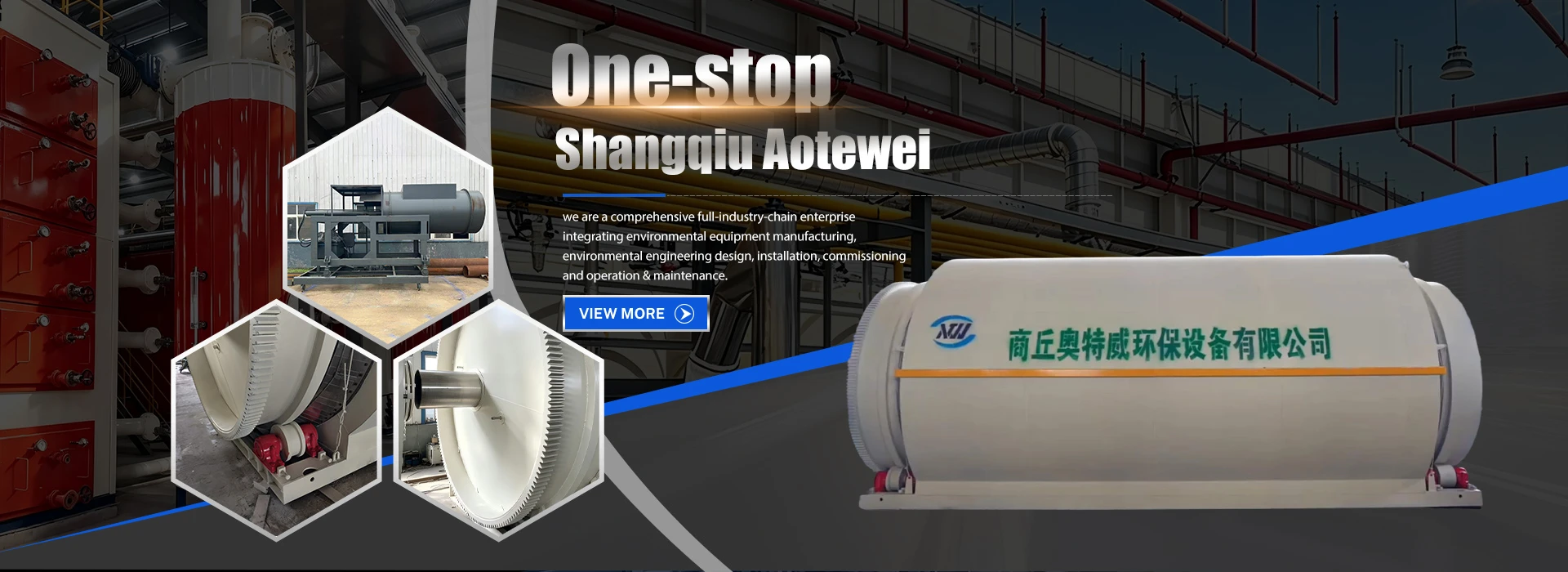
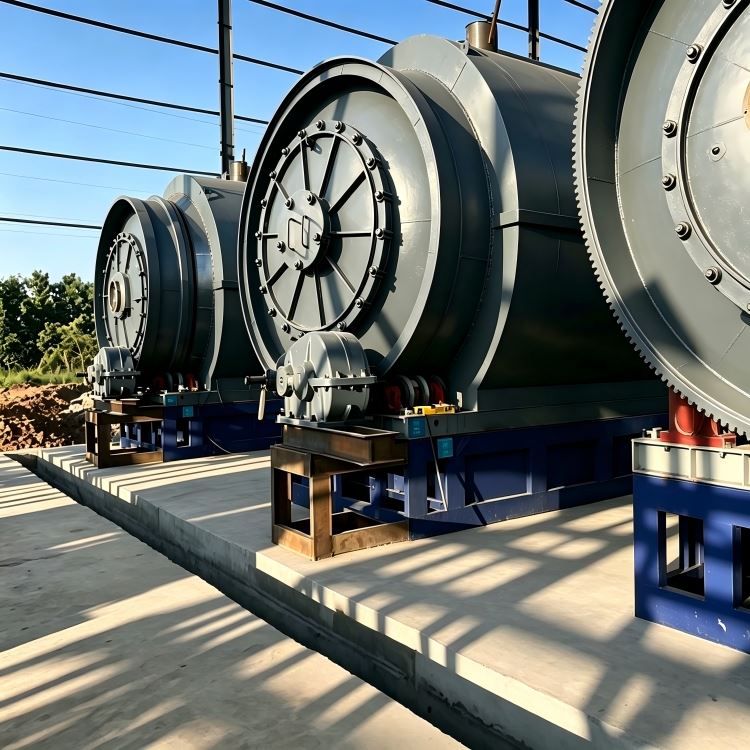
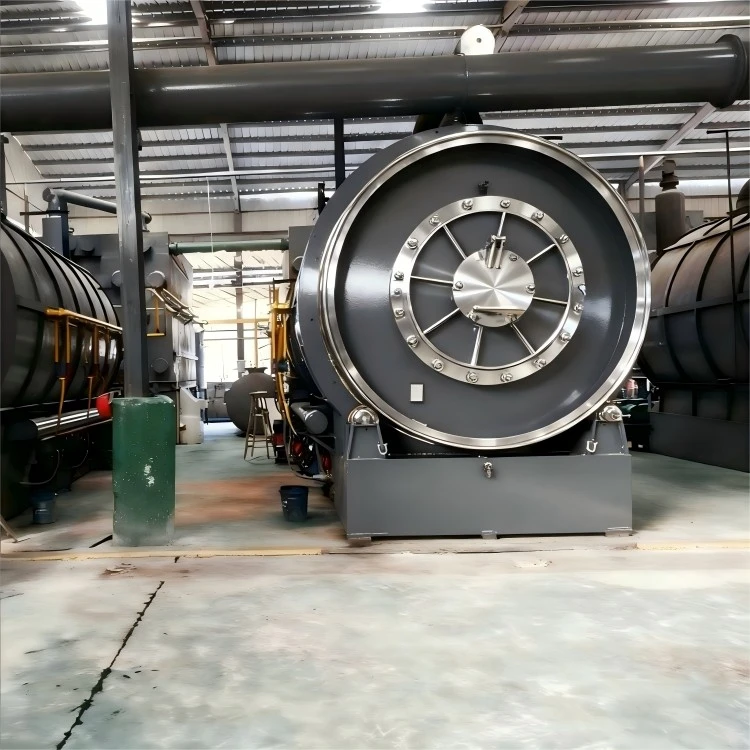
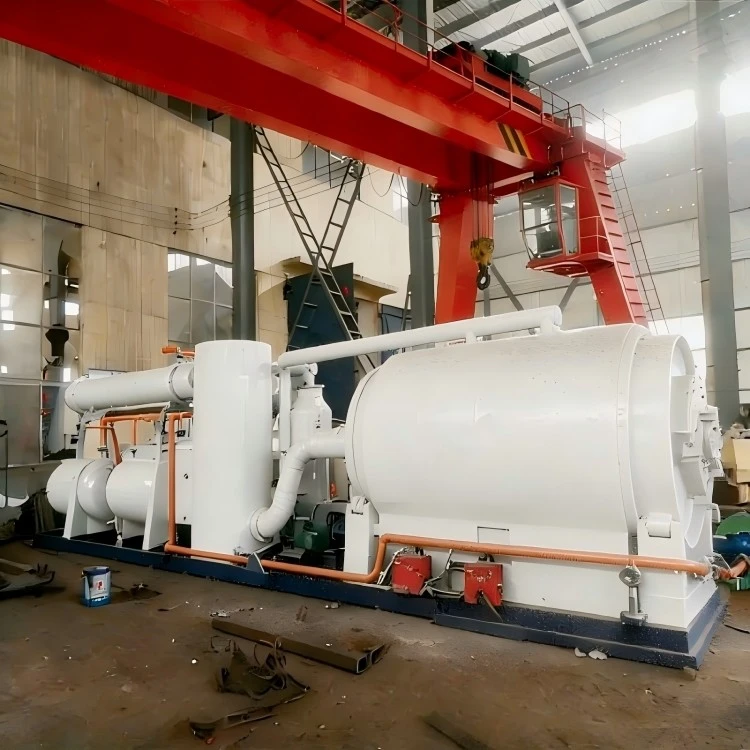
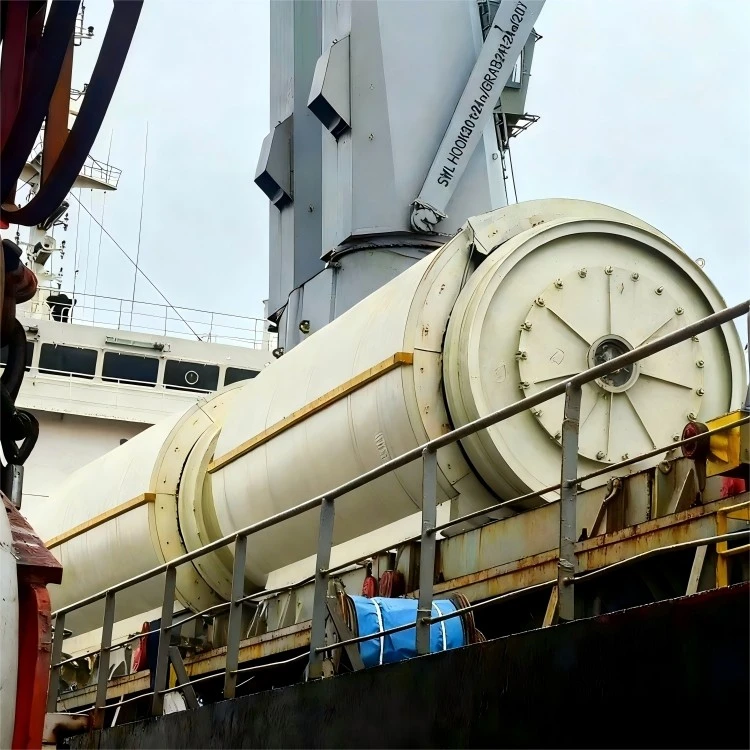
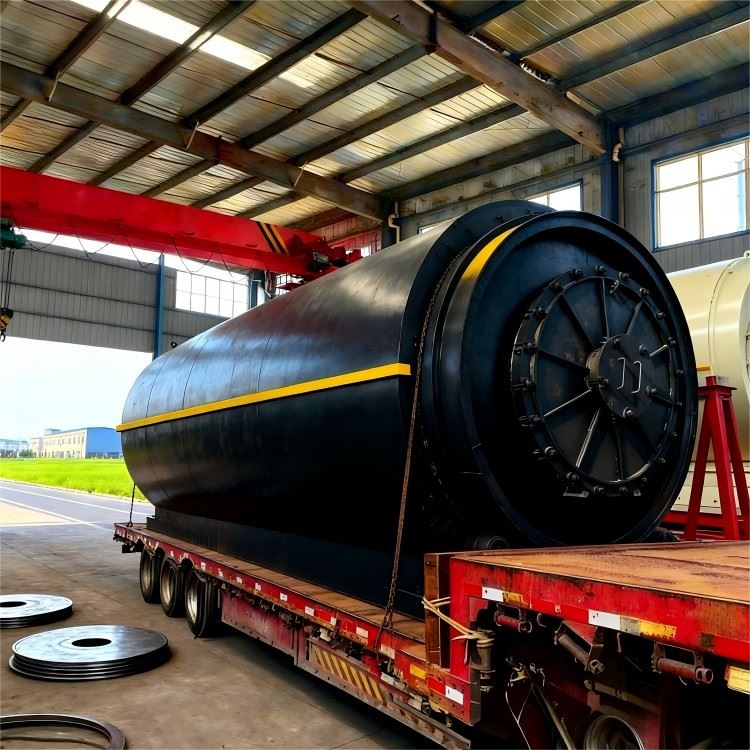
Shangqiu Aotewei Environmental Protection Equipment Co., Ltd. is one of the leading manufacturers and suppliers of small scale tyre recycling plant in China. We are committed to providing high quality customized products with competitive price. If you're going to buy ISO certified small scale tyre recycling plant, welcome to get quotation from our factory.
Products Description
Small-Scale Waste Tyre Recycling Plant
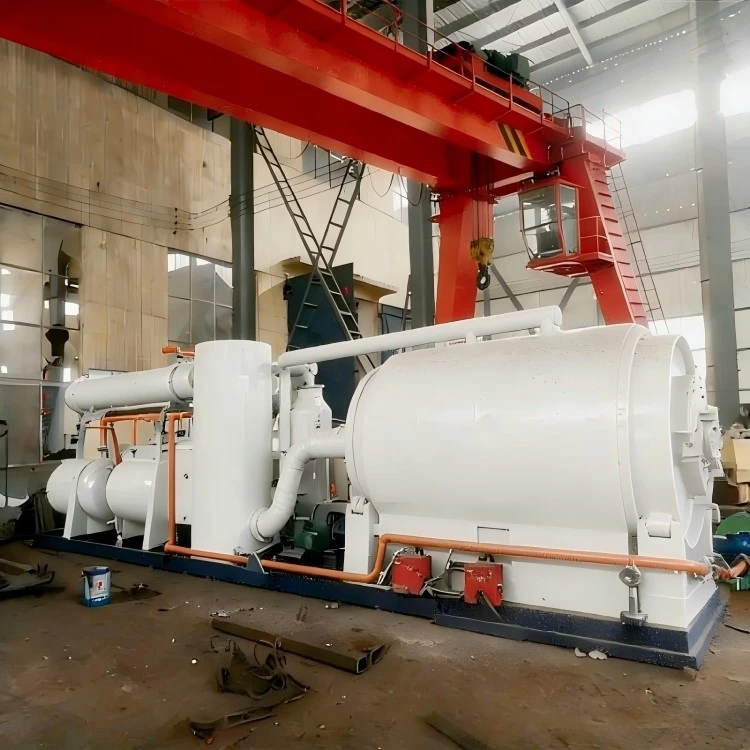
The Small-Scale Waste Tyre Recycling Plant is a compact batch-type tyre pyrolysis-recovery equipment developed for start-ups and small-scale recycling stations. Adopting lightweight small-tonnage design, it targets tyre recyclers with low daily throughput, limited budgets and cramped site conditions. Specially built for processing waste passenger-car tyres and light-truck tyres, it produces crude pyrolysis oil, carbon black, steel wire and combustible gas through oxygen-free pyrolysis. Non-essential large-size auxiliaries are omitted while core pyrolysis and oil-gas recovery units are retained to cut civil-construction and infrastructure investment. Suitable for small-batch trial-run and regional scattered tyre-recycling businesses. Crude pyrolysis oil can be sold directly, and refining supporting equipment can be connected later for further deep-processing on demand.
Price Note: Quotation is subject to steel-market fluctuation, supporting configurations and international exchange rates. The reference price for the standard 1-ton-per-day small-scale waste tyre recycling plant is USD 18,000 / set (excluding sea freight, import duties and on-site installation & commissioning costs).
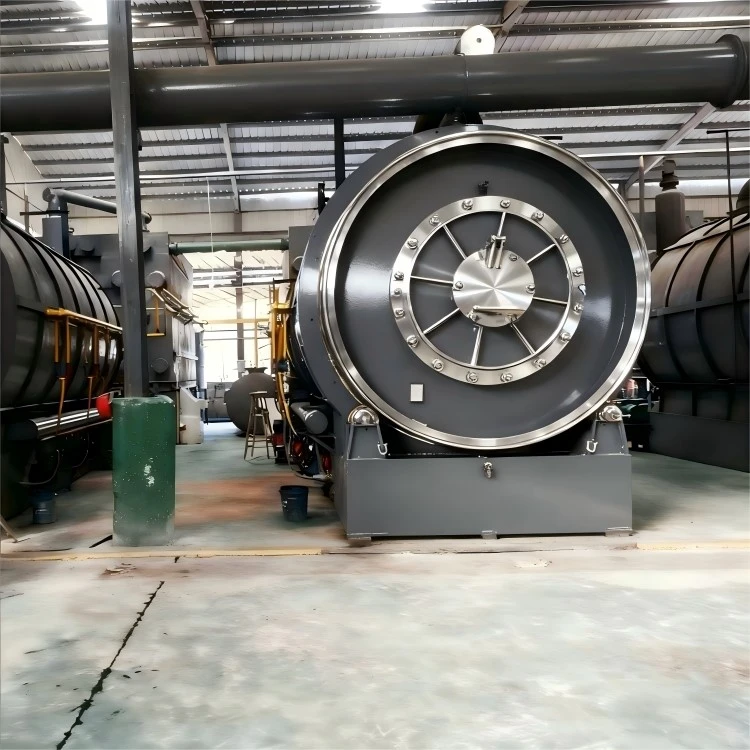
| Technical Parameter of the Pyrolysis plant | |||
| 1 | Suitable Raw Materials | Rubber/Plastic Products etc | Rubber/Plastic Products etc |
| 2 | Structure | Horizontal Rotation Type | Horizontal Rotation Type |
| 3 | Reactor Size | φ2600×6600mm φ2800×8000mm φ3000×8800mm |
φ1500×2000mm φ1800×4000mm φ2000×600mm |
| 4 | Capacity for One Batch | 8-10Mt; 12-15Mt; 18-20Mt | 1Mt; 3Mt; 5Mt |
| 5 | Oil Yield from Tyres | 38%~45% | 38%~45% |
| 6 | Work Pressure | Normal Pressure | Normal Pressure |
| 7 | Reactor Rotation Speed | 0.4R/M | 0.4R/M |
| 8 | Fuels Choice | Coal, Wood, Gas, Oil | Coal, Wood, Gas, Oil |
| 9 | Power | 15~22kw/h | 8~15kw/h |
| 10 | Cooling Method | Cycling Water | Cycling Water |
| 11 | Type of Drive | External Annular Gear | External Annular Gear |
| 12 | Heating Method | Direct Heating | Direct Heating |
| 13 | Type of Installation | Without Foundation | With Foundation / Integrated Base |
| 14 | Noise dB (A) | ≤ 85 | ≤ 85 |
| 15 | Operating Mode | Intermittent Operation | Intermittent Operation |
| 16 | Total Weight (MT) | 25~50 | 10~25 |
Features
① Light-weight compact main unit with small footprint
Optimized compact layout for small recycling stations with limited workshop space; redundant large-sized components are removed. The whole set integrating condensation and basic flue-gas-treatment units only requires a 40-80 m² hardened site. No tall workshop building is necessary; a simple lightweight steel shed is sufficient for production deployment.
② Adaptable to small-batch batch-mode production with flexible start-stop
Designed for low-volume daily tyre disposal with small single-batch feeding capacity and short heating-cooling cycles; uninterrupted continuous operation is not required. Production can start once a certain quantity of waste tyres is collected, and the unit can standby when raw materials are insufficient to reduce idle-furnace energy consumption. It perfectly fits small-scale recycling businesses with unstable raw-material supply.
③ Simplified yet efficient oil-gas collection & condensation assembly with low maintenance threshold
A simplified multi-stage tubular-condenser module keeps core oil-gas liquefaction capacity, with heat-exchange area optimized for light-oil fractions from car tyres. Pipelines are laid out neatly with all flange interfaces exposed. Daily oil-stain cleaning and pipeline inspection can be completed without complicated disassembly by ordinary operators.
④ Integrated pre-assembled flue-gas-treatment module for plug-and-play use
Equipped with one-piece pre-assembled desulfurization and dust-removal unit. Internal pipelines are pre-connected in-factory. On-site work only requires connecting gas inlet and outlet ports without extensive field welding and assembly. It meets basic waste-gas-treatment requirements and delivers smokeless, low-odor exhaust to satisfy fundamental environmental-verification needs for small-and-medium-sized projects.
⑤ Simplified reliable sealed slag-discharge structure for small-capacity operation & maintenance
Adopts simplified sealed slag-removal mechanism. Carbon black is discharged in sealed condition after pyrolysis and cooling; manual furnace-entry slag-raking is avoided. Fewer structural parts and highly-marketable wearing parts enable easy local procurement and replacement even in remote small stations, lowering spare-part-sourcing difficulties.
Advantages
① Low initial investment with accessible entrepreneurship threshold
Compared with standard 5-10 ton tyre pyrolysis plants, the purchase cost is greatly reduced, together with savings on large workshops and heavy civil foundations. It enables individual entrepreneurs and small recycling workshops to launch businesses without huge one-off capital expenditure.
② Flexible raw-material tolerance adapting to scattered-recycling mode
Stable large-volume tyre supply is not mandatory. Production starts after accumulating a batch of waste tyres and stops when feedstock is scarce, avoiding equipment idling and investment waste. It matches the actual operation of scattered waste-tyre recycling in counties and towns.

③ Simple installation and fast commissioning-to-production cycle
Most modules are pre-assembled in factory. On-site work mainly covers pipeline connection and electric debugging. With remote technical guidance from experienced technicians, full installation, commissioning and trial-production can be finished within 7-10 days, greatly shortening project preparation lead-time.
④ Easy operation & maintenance with low requirements for technical staff
Streamlined overall structure and simplified control-system logic without complex multi-linked advanced configurations. After short-term training, ordinary recycling-station workers can complete startup, production, shutdown and routine maintenance, removing the need for high-salary professional chemical operators.
⑤ Flexible business model supporting later-stage upgrading Produced crude pyrolysis oil can be sold directly to oil-refinery purchasers for quick capital recovery. When business expands later, an independent distillation-and-refining module can be externally connected to produce diesel without replacing the whole main unit, thus protecting previous equipment investment.
Application Scenarios
- Small-town tyre-recycling workshops: For county-level and township-level waste-tyre-recycling stations to locally process collected passenger-car and light-truck tyres. Crude pyrolysis oil, steel wire and carbon black are produced for direct sale, cutting long-distance outbound logistics costs for waste tyres.
- Pilot projects for start-up recycling enterprises: Used by newly-founded environmental-recycling companies for small-scale commercial trials to verify local waste-tyre supply, product sales channels and business models. Large-capacity equipment can be purchased after market validation to lower entrepreneurial trial-and-error risks.
- Centralized-disposal sites for auto-repair chains: Jointly built by multiple auto-repair shops to centrally treat waste car tyres replaced from each outlet. Waste is converted into saleable products instead of paying third-party hazardous-waste-disposal fees.
- Supporting projects for small-scale solid-waste transfer stations: Serve as tyre-disposal units attached to garbage and solid-waste transfer stations for sorting and processing collected waste rubber tyres and improving the station's resource-recovery profits.
- Simple solid-waste-disposal points in remote villages and towns: Deployed in hard-to-reach townships with extremely high outbound-transport costs for waste tyres. Local waste tyres are processed on-site and finished products are sold in nearby markets.
Packing & Shipping
Packing Method:
The pyrolysis reactor receives anti-rust paint coating and is wrapped by rain-proof tarpaulin, with pre-installed lifting lugs and transport locking fixtures. Precision components such as electric-control cabinet, temperature-pressure instruments and valves are packed in shock-proof wooden cases with moisture-proof cushioning. Pipes, flanges, sealing gaskets, disassembly-assembly tools and wearing-part spares are sorted and palletized. Bilingual simplified operation manuals, assembly sketches and packing lists are provided.
Shipping Method:
The complete small-scale unit can be fully loaded into one 40HQ container for sea export. Extra-large components will be split for multi-container shipment. For inland destinations, flat-bed truck land-transport is available for direct delivery to the site.
Delivery Lead Time:
For standard configurations, production, no-load testing and shipment will be completed within 45-60 working days upon advance payment. Lead time will be extended if optional upgraded accessories (enhanced flue-gas treatment, liquid-level-monitoring assemblies) are added. Real-site photos and operation-test short videos will be provided pre-shipment to help customers prepare the site in advance.
FAQ
Q1: What is the maximum daily tyre processing capacity of this small scale waste tyre recycling plant?
A: The standard model is designed for 3 tons of waste passenger car / light truck tyres per day. Single batch throughput will decrease for heavy duty off the road tyres. Mass processing of thick walled engineering tyres is not recommended.
Q2: What are the hard requirements for workshop and ground conditions?
A: A standard industrial workshop is not required. Only a 40 80 m² flat hardened concrete ground plus a simple rain and sun shade shed is needed. 380V industrial power supply and circulating cooling water shall be prepared. Heavy reinforced concrete civil foundation is unnecessary.
Q3: Is there a big gap in product yield between small scale plant and large scale pyrolysis equipment?
A: They share identical pyrolysis principles. For clean passenger car tyres, oil yield reaches 40 47 %, and yields of carbon black and steel wire are close to large size units. The difference lies in lower total daily output due to smaller single batch feeding volume, while product quality remains unchanged.
Q4: Can this equipment pass local environmental inspections?
A: It comes with integrated desulfurization dust removal flue gas treatment unit for smokeless low odor operation and meets basic emission requirements for small sized projects. Customers shall complete filing formalities according to local regulations. Upgraded advanced waste gas treatment assemblies are optional for regions with stringent environmental standards.
Q5: Can workers from recycling stations operate it without previous pyrolysis experience?
A: Yes. Operation procedures are simplified. Remote graphic and video training is provided. Operators can master basic startup, shutdown, slag discharge and daily inspection work within 3 5 days. 24 hour remote technical support is available for complex failures.
Q6: Can this small size unit be modified for higher capacity when business expands later?
A: The throughput of the main reactor itself cannot be enlarged by modification. Nevertheless, external distillation and refining equipment can be connected to convert crude oil into diesel. To raise daily processing capacity, adding an extra unit for parallel operation or switching to a larger capacity model is recommended.
Q7: What wearing parts spares should be prepared?
A: Main spare parts include sealing gaskets, valve packings, spray nozzles and temperature sensors. These parts enjoy high market universality. A spare parts list will be supplied with goods and most items can be purchased from local hardware & electromechanical markets.
Production Process Flow
- Raw-material Pre-treatment: Waste passenger-car and light-truck tyres are simply sorted to remove bulky foreign objects. Deep shredding is not required. Whole tyres or roughly-cut pieces are stored in the raw-material zone for standby use.
- Feeding into Reactor: Tyres are fed into the pyrolysis reactor via a simple feeding port. Close and lock the furnace door after feeding to form a sealed oxygen-free internal environment inside the reactor.
- Batch-mode Segmented-heating Pyrolysis: The combustion chamber ignites for heating. Furnace temperature rises in multi-stage profiles. Rubber pyrolysis cracking takes place within the optimal temperature range. Rubber macromolecules break down to release oil-gas, steel wire remains intact, and rubber components convert into oil-gas and carbon-black residues.
- Oil-gas Condensation & Liquefaction: Pyrolysis-generated oil-gas flows into the multi-stage tubular condenser module for heat-exchange and liquefaction via circulating cooling water. Liquid crude pyrolysis oil flows into oil-storage tanks; non-condensable combustible gas is diverted back to the combustion chamber as heating fuel.
- Combustible-gas Recycling for Heating: Non-condensable gas from pyrolysis serves directly as heating fuel for equipment. Only a small amount of external fuel is needed for initial cold-furnace ignition to realize most energy self-sufficiency. Surplus minor gas is fully combusted before entering flue-gas-treatment procedures.
- Furnace Cooling & Sealed Slag Discharge: Stop heating after pyrolysis completion. Wait for the reactor to naturally cool down to a safe temperature. Activate the sealed slag-discharge mechanism to separately discharge intact steel wire and carbon black for respective collection and storage.
- Flue-gas Purification & Discharge: Combustion-produced flue gas enters the integrated desulfurization-dust-removal module for dust and sulfide removal and is discharged after reaching emission standards.
- Product Storage & Sales: Crude pyrolysis oil, steel wire and carbon black are inspected before direct sale. According to business plans, crude pyrolysis oil can be delivered to externally-connected distillation-and-refining equipment for further deep-processing.
Hot Tags: small scale tyre recycling plant, China small scale tyre recycling plant manufacturers, suppliers, factory


