

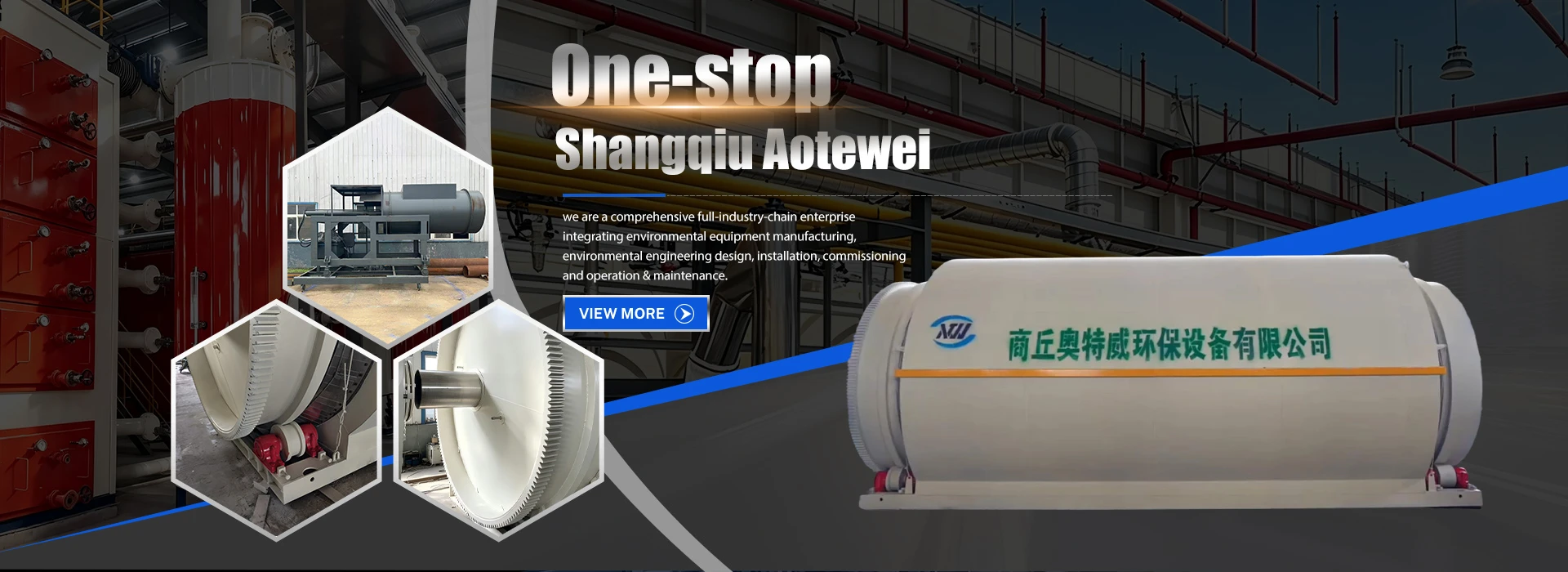
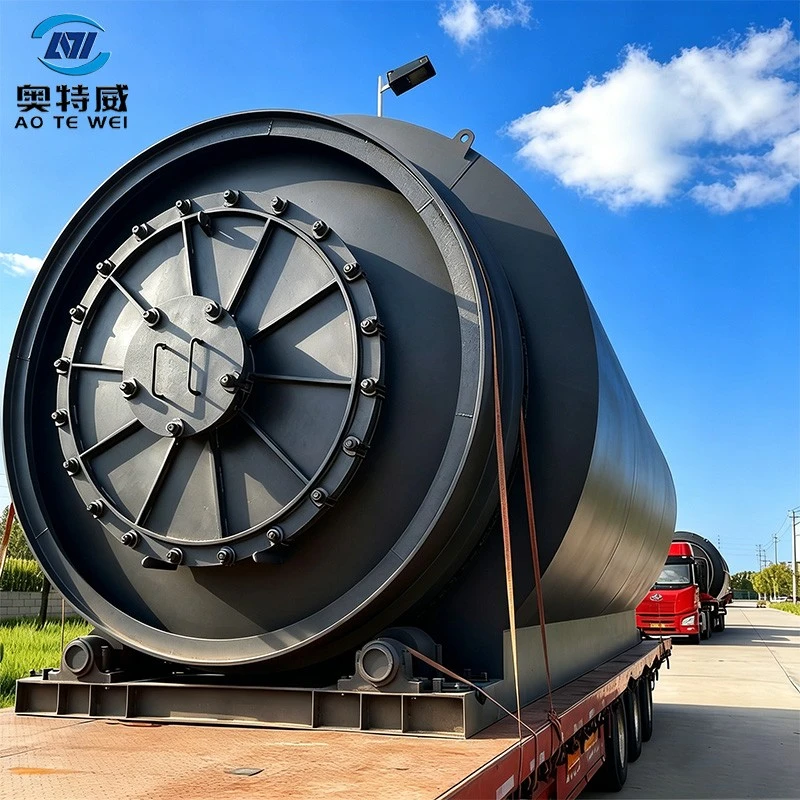
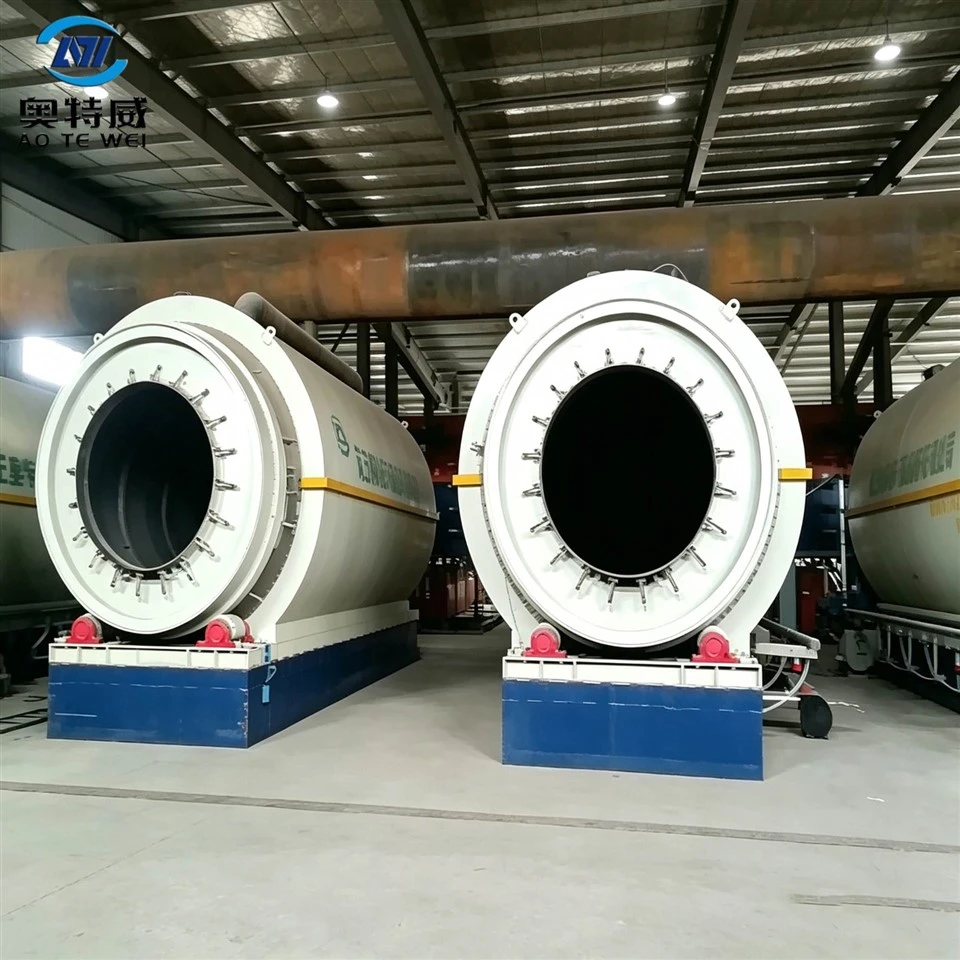
Shangqiu Aotewei Environmental Protection Equipment Co., Ltd. is one of the leading manufacturers and suppliers of plastic pyrolysis plant in China. We are committed to providing high quality customized products with competitive price. If you're going to buy ISO certified plastic pyrolysis plant, welcome to get quotation from our factory.
Products Description
Waste Plastic Pyrolysis Plant
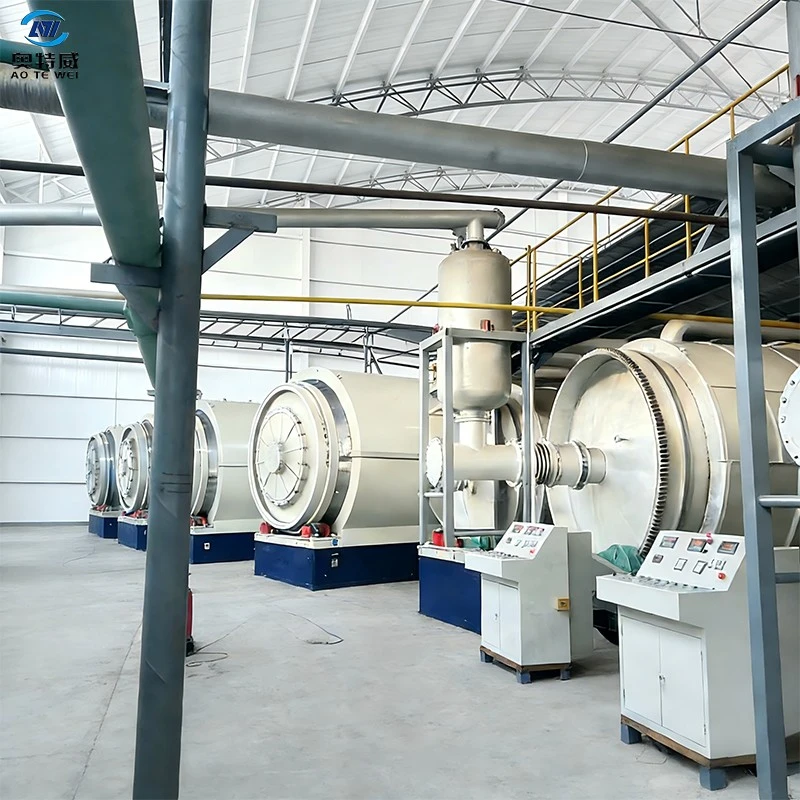
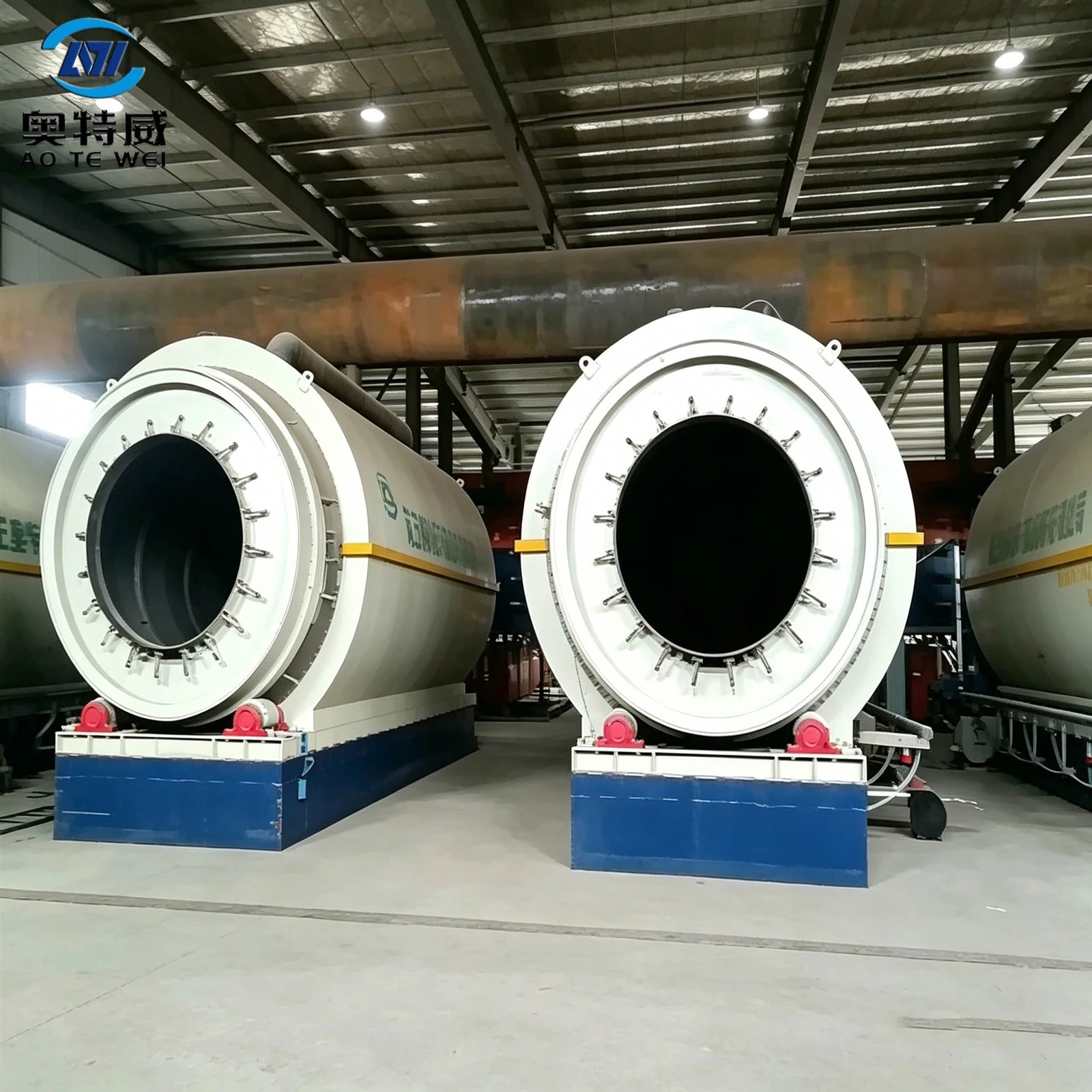
The Waste Plastic Pyrolysis Plant is a dedicated pyrolysis-processing unit developed for waste-plastic resource recovery. It adopts coking-resistant pyrolysis technology specially optimized for plastic feedstock. It can efficiently convert various waste plastics such as PE, PP, PS and ABS into three high-value recyclable outputs: pyrolysis oil, carbon black and combustible gas. Optimized for plastics' strong melting tendency, high coking risk and high impurity content, the plant integrates supporting subsystems including raw-material pre-treatment, multi-stage anti-clogging condensation, advanced flue-gas purification and automatic control. Serving as a core end-to-end facility for tackling plastic pollution and realizing resource recovery within the waste-plastic recycling chain, it is widely deployed in plastic recycling, solid-waste disposal and eco-energy projects.
Price Note: Quotation is subject to steel-market fluctuation, technical configuration, processing capacity and international exchange rates. The reference price for the standard 10-ton-per-day unit is USD 56,000 / set (excluding sea freight, import duties and on-site installation & commissioning costs). Please share your plastic feedstock type and capacity requirements, and we will prepare a customized solution together with a detailed quotation for you.
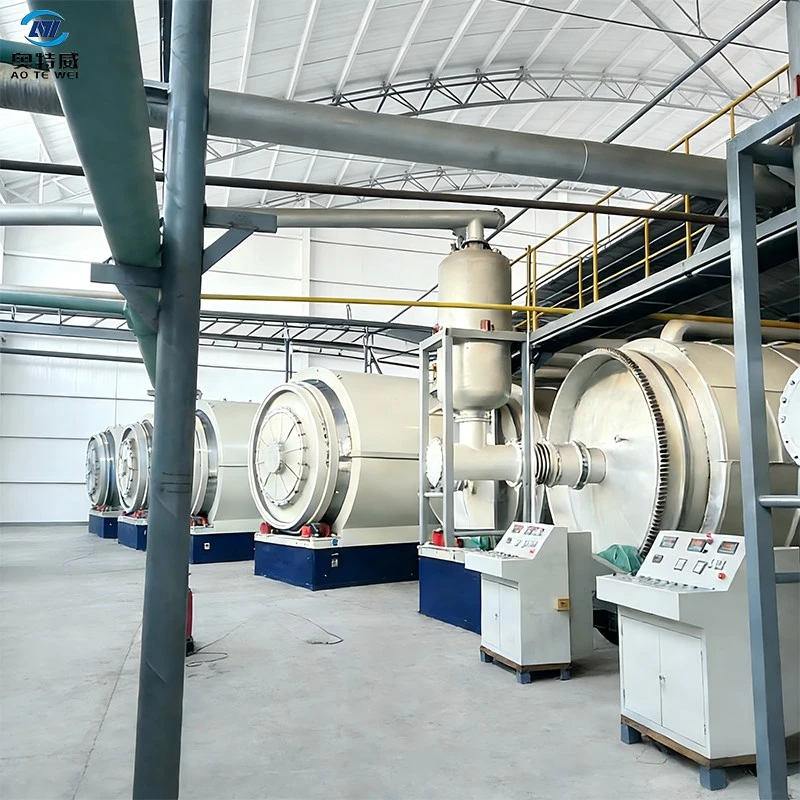
| Technical Parameter of the Pyrolysis plant | |||
| 1 | Suitable Raw Materials | Rubber/Plastic Products etc | Rubber/Plastic Products etc |
| 2 | Structure | Horizontal Rotation Type | Horizontal Rotation Type |
| 3 | Reactor Size | φ2600×6600mm φ2800×8000mm φ3000×8800mm |
φ1500×2000mm φ1800×4000mm φ2000×600mm |
| 4 | Capacity for One Batch | 8-10Mt; 12-15Mt; 18-20Mt | 1Mt; 3Mt; 5Mt |
| 5 | Oil Yield from Tyres | 38%~45% | 38%~45% |
| 6 | Work Pressure | Normal Pressure | Normal Pressure |
| 7 | Reactor Rotation Speed | 0.4R/M | 0.4R/M |
| 8 | Fuels Choice | Coal, Wood, Gas, Oil | Coal, Wood, Gas, Oil |
| 9 | Power | 15~22kw/h | 8~15kw/h |
| 10 | Cooling Method | Cycling Water | Cycling Water |
| 11 | Type of Drive | External Annular Gear | External Annular Gear |
| 12 | Heating Method | Direct Heating | Direct Heating |
| 13 | Type of Installation | Without Foundation | With Foundation / Integrated Base |
| 14 | Noise dB (A) | ≤ 85 | ≤ 85 |
| 15 | Operating Mode | Intermittent Operation | Intermittent Operation |
| 16 | Total Weight (MT) | 25~50 | 10~25 |
Features
① Plastic-oriented anti-coking pyrolysis process for plastic melting characteristics
Targeting plastics' tendency to melt and form coke under heat, the plant applies low-temperature segmented temperature-controlled pyrolysis. Polymer chain cracking and oil-gas release take place within the optimal temperature window. It avoids heavy-component accumulation and inner-reactor coking triggered by instant high-temperature pyrolysis. The pyrolysis-oil yield rises by 10%-15 % compared with general-purpose pyrolysis equipment. Continuous operation cycles are greatly extended and coke-cleaning maintenance frequency is reduced by over 70 %.
② Integrated raw-material pre-treatment design for high-impurity waste plastics
Customers may optionally purchase the matching integrated pre-treatment unit. It completes crushing, washing and drying in one workflow to remove surface sediment, contaminants and moisture from waste plastics. It solves poor-oil-quality and condenser-blocking risks caused by direct pyrolysis of heavily contaminated plastics and greatly broadens acceptable feedstock varieties.
③ Recyclable combustible-gas system for energy self-sufficiency
Non-condensable gas generated from plastic pyrolysis is purified and fully fed back into the combustion chamber as heating fuel. Over 90 % of heating energy can be self-supplied. Only a small volume of external fuel is required for cold-furnace startup. Consumption of coal, natural gas and other external fuels is significantly cut down, lowering routine operating expenses effectively.
Advantages
① Broad feedstock compatibility to handle mixed waste-plastic streams
Besides clean single-grade waste plastics, the plant processes mixed waste plastics sorted from municipal-solid-waste facilities, plastic-manufacturing off-cuts, waste packaging films and agricultural mulch films containing impurities. Strict plastic sorting is not mandatory, which greatly reduces raw-material procurement and pre-treatment costs and diversifies feedstock sources.
② Stable oil quality with good market acceptance
Benefiting from anti-coking technology and multi-stage anti-clogging condensation, the produced pyrolysis oil features low impurity content, stable calorific value and good fluidity. It can be directly sold as fuel oil for industrial boilers, kilns and generators without extra refining. It enjoys extensive market channels and strong bargaining power. The comprehensive profit per ton of waste plastic increases by more than 18 % versus universal pyrolysis units.
③ Complete eco-friendly configurations to satisfy strict emission standards
Full-process sealed negative-pressure design is adopted, with sealed collection and flame-arresting components installed at all oil-gas junctions to eliminate oil-gas leakage. Standard-equipped complete flue-gas desulfurization, denitrification and dust-removal units provide targeted treatment for organic waste gas, sulfides and nitrogen oxides produced during plastic pyrolysis. Flue-gas readings are far below national and local environmental limits. It operates smokeless and odor-free, supporting smooth EIA approval and long-term compliant production.
④ High-level automation cutting labor and maintenance expenditure
Full-process automatic operation covers raw-material pre-treatment, feeding, pyrolysis temperature regulation, oil-gas condensation and slag discharging. Only 4-6 operators are required for one complete batch, which eases manual workload and labor costs. Anti-coking and anti-clogging structures minimize equipment failure rates and maintenance frequency for low long-run upkeep costs.
⑤ Short payback period with controllable project risks Waste plastics are widely available at low procurement cost, while pyrolysis oil maintains steady market demand. Supported by high energy self-sufficiency and low operating costs, the standard 10-ton-per-day plant running 300 days per year generally achieves a payback period of 10-14 months under regular market conditions. Where local solid-waste-disposal subsidies or green-tax incentives apply, payback can be further shortened to 8-12 months, delivering stable returns with low investment risk.
⑤ Full-process sealed eco-friendly design for cross-region compliant operation The plant adopts full-process sealed negative-pressure pyrolysis design and is standard-equipped with complete flue-gas desulfurization, denitrification and dust-removal systems. It runs smokeless and odor-free. Configurations can be quickly adjusted according to environmental-protection standards of different countries and regions to meet local emission requirements. It can operate compliantly across regions without environmental-compliance concerns.
Application Scenarios
- Supporting facility for municipal solid-waste sorting plants: As core end-of-line equipment for urban waste-sorting facilities, it pyrolyzes sorted mixed waste plastics on-site into high-value pyrolysis oil and carbon black. It realizes waste reduction and resource recovery and lowers landfill volume and overall waste-disposal expenditure.
- Off-cut disposal projects for plastic-manufacturing factories: Treat production waste such as rubber scraps, defective goods and trimming waste generated during injection-molding, extrusion and blow-molding processes. It relieves enterprises' environmental-disposal pressure. The resultant pyrolysis oil can be reused for in-plant boilers and machinery to cut energy-procurement costs and achieve internal circular waste utilization.
- Core unit for waste-plastic recycling processors: Deployed in waste-plastic recycling chains, it processes collected waste plastics locally into high-added-value pyrolysis-oil products. It extends industrial chains, improves product profit margins and substantially reduces logistics costs for outbound waste-plastic transportation.
- Waste-plastic disposal for remote mines & oilfields: Installed at remote mines and oil-field sites to treat discarded plastic packaging, used agricultural mulch films and plastic components generated locally. Produced pyrolysis oil powers mining machinery and generators, enabling on-site solid-waste treatment plus energy self-reliance and addressing pain points of difficult waste handling and expensive energy supply in remote locations.
- Special-purpose plastic-pollution-control projects: For targeted remediation initiatives such as ocean-plastic and farm-residual-film treatment, it centrally processes collected waste plastics for resource recovery and supports national plastic-pollution-governance policies, with access to special environmental-protection subsidies.
- Harmless-disposal projects for oil sludge: It can work alongside oil-sludge-treatment equipment to pyrolyze plastic fractions separated from oil sludge. Collaborative harmless treatment, waste reduction and resource utilization for oil-sludge projects are realized to boost overall project revenue.
Packing & Shipping
Packing Method:
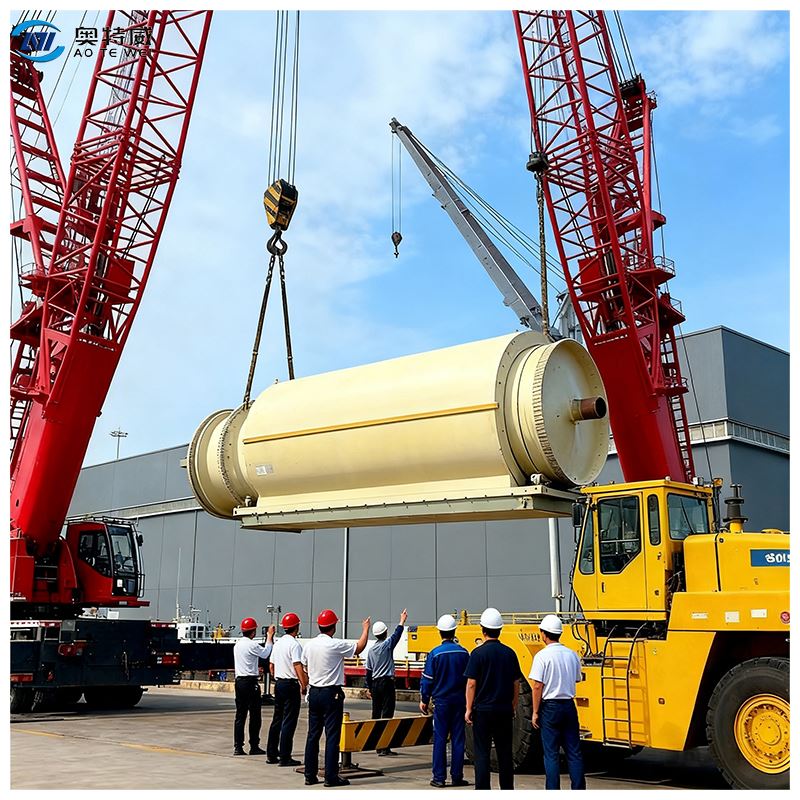
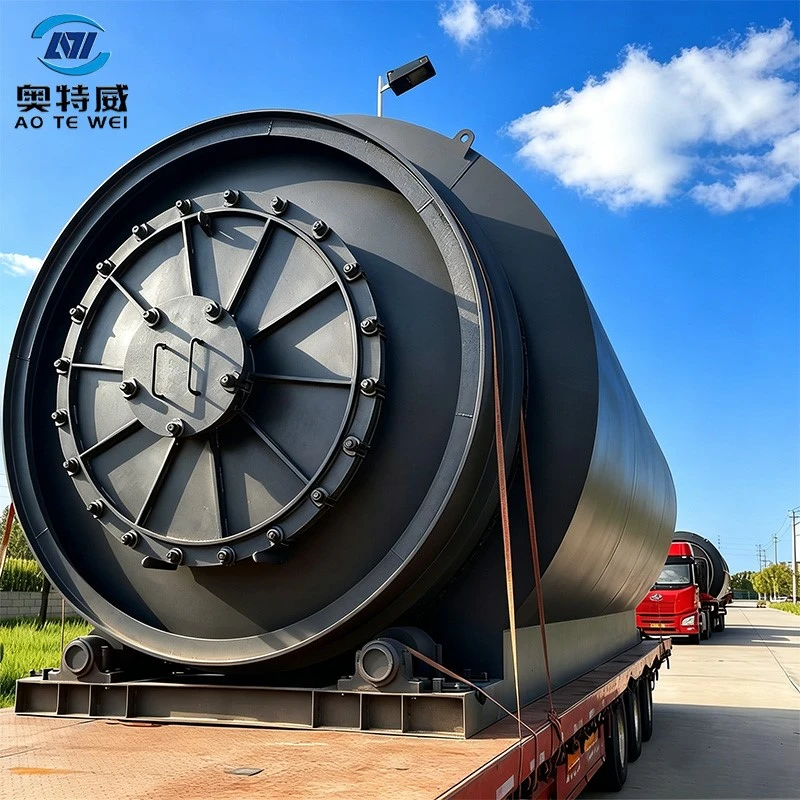
Major components including pyrolysis reactor, condensation system and pre-treatment unit receive anti-rust treatment, overall rain-proof wrapping and secure transport fixtures for direct hoisting and shipment. Precision parts such as electric-control cabinet, PLC control system, temperature-pressure transmitters and automatic valves are individually packed in fumigated wooden cases with shock-proof and moisture-proof cushioning. Loose articles including pipes, flanges, bolts, sealing gaskets and disassembly-assembly tools are sorted and palletized. A complete packing list is attached.
Shipping Method:
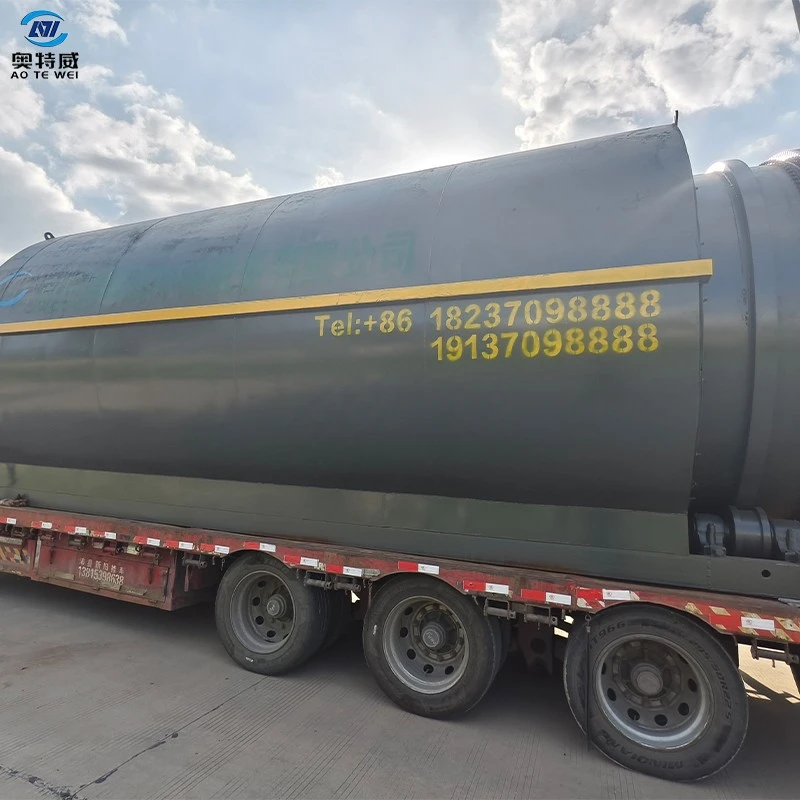
Sea-export transportation or bulk-carrier shipping is available.
Delivery Lead Time:
For standard configurations, production, no-load testing and shipment will be completed within 60-80 working days upon receipt of advance payment. Lead time will be extended correspondingly for customized configurations such as higher throughput, upgraded pre-treatment units or special environmental-protection setups. Complete equipment test reports, on-site photos and videos will be supplied pre-shipment to help customers prepare receiving and commissioning work in advance.
FAQ
Q1: What plastic types can this plant process? Which plastics are unsuitable?
A: It can handle various thermoplastics including PE, PP, PS, ABS and PC, such as waste plastic packaging, agricultural mulch films, plastic bottles, plastic drums and plastic off cuts. PVC is not recommended for direct processing.
Q2: Will coking occur inside the reactor during operation? How should we handle it?
A: Equipped with plastic special low temperature segmented pyrolysis and anti coking inner wall construction, the unit greatly lowers coking probability. Only simple slag removal is required after each normal production cycle; frequent furnace opening coke cleaning is avoided to reduce maintenance downtime. For long term processing of high impurity plastics, regular maintenance via dedicated coke cleaning devices is available with simple operation.
Q3: Can the produced pyrolysis oil be sold directly? Does further reprocessing need to be done?
A: The output pyrolysis oil features low impurities and stable calorific value. It can be directly sold as fuel oil for industrial boilers, kilns, ships and generators without extra refining. If higher grade diesel or gasoline products are required, distillation and refining equipment can be added later for deep processing.
Q4: What environmental requirements apply to equipment operation? Can it pass EIA assessment?
A: Adopting full process sealed negative pressure design and standard complete flue gas desulfurization denitrification dust removal system, the plant runs smokeless and odor free. Flue gas parameters comply fully with national and local environmental standards. Full technical documentation and third party test reports can be provided to assist customers with EIA filing and acceptance.
Production Process Flow
- Raw-material Pre-treatment: Waste plastics go through manual sorting to remove non-pyrolyzable foreign substances. They are fed into plastic shredders, then washed to eliminate sediment and stains, and dried to remove moisture. Clean shredded plastic stock is obtained and stored temporarily in the raw-material silo.
- Feeding into Reactor: Shredded plastic from the silo is delivered into the pyrolysis reactor via sealed feeding devices. The feeding port is fully closed and sealed after charging to guarantee an air-tight reactor environment.
- Segmented Temperature-controlled Pyrolysis: The combustion chamber ignites for heating. While rotating, the reactor follows pre-set multi-stage heating profiles: low-temperature phase for plastic melting, dehydration and softening; medium-temperature phase for polymer-chain cleavage and oil-gas release; high-temperature phase for thorough decomposition of carbon residues to secure sufficient pyrolysis.
- Oil-gas Dust Removal & Condensation: Oil-gas generated from pyrolysis passes through the gas-drum to remove entrained dust contaminants. It flows into the spray scrubber for further purification and then enters multi-stage tubular condensers. Forced circulating-water cooling enables fast heat exchange and liquefaction. Liquid pyrolysis oil flows into oil storage tanks; non-condensable gas enters the combustible-gas purification system.
- Combustible-gas Recycling: Purified non-condensable gas passes through flame arrestors and feeds into the combustion chamber as heating fuel to substitute external energy sources and realize on-site energy self-sufficiency. Surplus combustible gas can be collected and stored for other on-site energy demands.
- Cooling & Slag Discharge: Heating stops upon completion of pyrolysis. The reactor keeps rotating for accelerated cooling. When furnace temperature drops to a safe level, carbon-black residues are discharged via sealed slag-removal devices, cooled down and collected for direct sale as finished goods.
- Flue-gas Purification & Discharge: Flue gas exhausted from the combustion chamber undergoes deep treatment in desulfurization towers, dust collectors and denitrification units. It is released through chimneys after reaching emission standards. The whole workflow runs smokeless and odor-free to satisfy environmental-protection requirements.
- Product Storage & Sales: After passing inspection, pyrolysis oil stored in tanks and collected carbon black can be sold directly, completing the full-chain resource recovery of waste plastics.
Hot Tags: plastic pyrolysis plant, China plastic pyrolysis plant manufacturers, suppliers, factory


